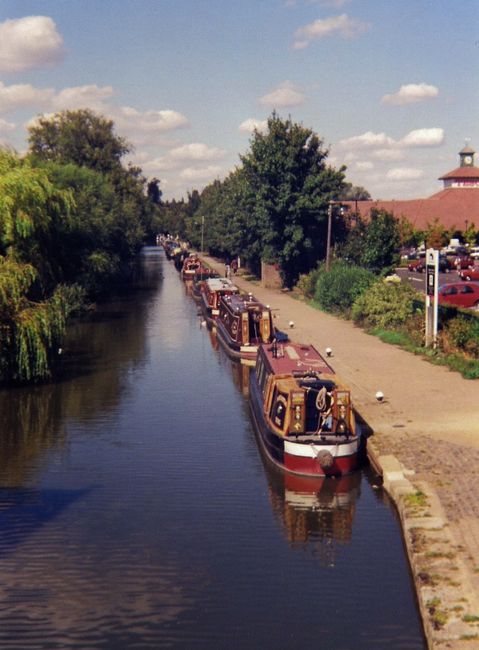
Grand Union Canal Hanwell bank garden care guide for residents
If you live near the canal in Hanwell, your garden is doing a slightly harder job than most. Wind pushes through the open water, soil can stay damp for longer, hedges catch the breeze, and the odd stretch of bank-side planting can turn untidy faster than you expected. This Grand Union Canal Hanwell bank garden care guide for residents is here to make that easier. It explains how to keep canal-side gardens neat, safe, and healthy without overcomplicating it.
There is a good reason residents ask for practical advice on this. Canal-edge gardens often sit between everyday domestic use and a more exposed landscape. A little extra care goes a long way. And if you have ever looked out on a grey morning and seen a patch of lawn flattening, a hedge leaning, or brambles creeping towards the path, you will know exactly what I mean.
This guide covers the real-world stuff: what matters, how canal-bank garden care works, what to do season by season, where people often go wrong, and when it makes sense to call in help. We will also keep an eye on trust, safety, and sensible UK garden standards so you can make decisions with confidence. Nothing flashy. Just useful, grounded advice.
Table of Contents
- Why canal-bank garden care matters
- How canal-side garden care works in practice
- Key benefits and practical advantages
- Who this is for and when it makes sense
- Step-by-step guidance
- Expert tips for better results
- Common mistakes to avoid
- Tools, resources and recommendations
- Law, compliance, standards and best practice
- Options, methods and comparison
- Case study or real-world example
- Practical checklist
- Conclusion
- Frequently asked questions
Why Grand Union Canal Hanwell bank garden care guide for residents Matters
Canal-bank gardens are not just normal gardens with a nice view. They sit in a more exposed microclimate, often with extra moisture, variable drainage, and more foot traffic close to the boundary. That means the usual seasonal tidy-up is rarely enough on its own.
For Hanwell residents, the Grand Union Canal brings a lot of character to the area, but it also changes how gardens behave. Plants near the waterline may become leggy, hedges can grow unevenly, and lawns may struggle if the soil is compacted or shaded. If you ignore that for a few months, the space can go from tidy to tangled quickly. Truth be told, it can happen almost overnight in spring.
Good canal-side care matters because it protects four things at once: the appearance of your property, the health of your planting, the safety of anyone using the garden, and the overall condition of the bank or edge. That last part is easy to overlook. A neat-looking garden is lovely, sure, but a stable, manageable boundary matters more.
If your garden is part of a larger maintenance plan, it can be useful to think of it alongside broader services such as garden maintenance and landscape gardening. Those wider services can help when the job is no longer just a quick trim and sweep.
Expert summary: Canal-side gardens in Hanwell usually need more frequent light maintenance, better drainage awareness, and a softer hand around edges and roots than inland gardens do. Small, regular actions beat heavy seasonal rescue work every time.
How Grand Union Canal Hanwell bank garden care guide for residents Works
At a practical level, canal-bank garden care is about working with the site instead of fighting it. You start by understanding the garden's conditions: light, shade, wind exposure, soil type, slope, and how water moves after rain. Then you build a routine around those conditions rather than a generic calendar.
For example, a hedge that grows on a breezy canal-facing edge may need more shaping than the same species tucked behind a terrace. A border that looks fine in June may become waterlogged in November. That is not poor gardening. It is just the reality of the space.
The work usually falls into a few layers:
- Structure care: hedges, shrubs, climbers, and trees need regular shaping so they do not encroach on paths, fences, or sightlines.
- Ground care: lawns, borders, mulch, and soil conditioning need attention because canal-side conditions can be damp, patchy, or compacted.
- Boundary care: edges near the canal side may need more sensitive handling, especially where there is slope, erosion risk, or shared access.
- Cleanliness: leaves, cuttings, and windblown debris build up fast near open water, so regular clearance is part of the job.
The most sensible approach is usually light but frequent. In many gardens, that means checking growth every couple of weeks in the growing season, then trimming and tidying before things get out of hand. A lot of residents find that a structured plan through hedge trimming and lawn mowing keeps the whole space from drifting into that overgrown, "I'll deal with it next weekend" state.
You can think of it like keeping a kitchen clean while cooking. If you wait until the end, the mess is a much bigger job. Same idea, different smell.
Key Benefits and Practical Advantages
Residents often start canal-side garden care for visual reasons, but the real benefits go further. A well-managed bank garden is easier to live with, safer to use, and less stressful to maintain across the seasons.
- Better curb appeal: neat edges, controlled hedges, and healthy planting make the garden feel settled and cared for.
- Reduced maintenance spikes: regular attention prevents a full weekend of heavy cutting and hauling later on.
- Improved plant health: pruning, soil care, and correct watering reduce stress on shrubs and borders.
- Safer access: clear paths, trimmed growth, and sensible boundary management help avoid trips and blocked routes.
- Less litter and debris build-up: canal-side gardens can catch windblown leaves and rubbish, especially in autumn and stormy weather.
- More usable outdoor space: once plants are under control, the garden feels larger and more inviting. Funny how that works.
There is also a practical money angle. A garden that is maintained steadily tends to need fewer dramatic interventions. That can mean less labour, fewer emergency call-outs, and fewer avoidable plant replacements. If you are trying to plan ahead, pricing and quotes can help you understand what regular care may look like compared with one-off remediation.
Who This Is For and When It Makes Sense
This guide is for residents who live close to the Grand Union Canal in Hanwell and want to keep their outside space in good shape without creating extra risk or unnecessary work. That includes:
- homeowners with rear gardens backing onto the canal corridor
- landlords who want a tidy, low-risk outdoor space for tenants
- busy families who do not have time for constant gardening
- older residents who prefer reliable, scheduled upkeep
- people with mature planting, long hedges, or awkward boundary areas
- anyone whose garden gets clogged with leaf fall, shade, or damp patches
It makes sense to prioritise canal-bank care if your garden shows one or more of these signs:
- hedges are leaning, sparse, or too wide for the space
- lawns stay wet longer than expected after rainfall
- moss, algae, or compacted soil are becoming noticeable
- the boundary line feels unclear or messy
- climbers and shrubs are reaching fences, paths, or access points
- there is regular debris from wind, wildlife, or nearby foot traffic
If that sounds familiar, you are not alone. A lot of canal-side residents assume they are "bad at gardening" when really the site just needs a more appropriate routine. Small change, big difference.
Step-by-Step Guidance
Here is a simple, practical way to manage a canal-side garden in Hanwell without letting it get away from you.
1. Walk the garden before you cut anything
Start by looking at the whole space. Notice where water sits, where growth is dense, where edges are soft or unstable, and which plants are actually thriving. In a lot of gardens, you will spot a pattern within two minutes. The same wet corner. The same hedge line. The same patch of lawn that never quite recovers.
2. Triage the urgent issues
Deal with anything that affects safety first: overhanging branches, blocked paths, sharp broken stems, unstable growth, or debris that could be slippery. If you need wider clearance before doing anything else, garden clearance is often the most practical starting point.
3. Cut back selectively, not aggressively
Canal-side planting often responds better to measured pruning than hard chopping. Remove weak or crossing stems, then shape the plant so it keeps its structure. Overcutting can leave hedges patchy and shrubs stressed. A bit of restraint here saves you trouble later.
4. Improve ground conditions
If the soil is compacted, waterlogged, or patchy, address that before expecting better growth. Light aeration, the right mulch, and careful feeding can help. A garden that looks tired is not always in need of more plants. Sometimes it just needs better conditions.
5. Re-establish edges and access routes
Edges matter more than people think. Clear definition between lawn, border, path, and boundary makes the whole garden feel looked after. It also helps you maintain it more easily. Once the line is visible again, upkeep becomes a lot less chaotic.
6. Set a repeat schedule
For most residents, a monthly or fortnightly check during the growing season works better than one big annual tidy. Keep an eye on hedges, mow as needed, sweep up debris, and adjust watering based on weather. If the garden is larger or more exposed, a formal maintenance plan may be worth it.
Simple rule: if you can see the problem from the kitchen window, it is probably already time to deal with it.
Expert Tips for Better Results
After years of seeing what works and what turns into a headache, a few habits stand out.
- Trim after, not before, extreme weather when possible. Wind and rain can make freshly cut plants look ragged quickly, and some cuts simply do not heal as neatly in poor conditions.
- Prioritise structure plants first. Hedges and shrubs usually shape the whole garden visually, especially on narrow canal-side plots.
- Use mulch wisely. A decent mulch layer can help steady soil moisture and suppress weeds, but too much can smother lower growth. Easy mistake.
- Watch the shade line. Areas beside fences, walls, or taller planting may need different mowing and watering routines than the rest of the garden.
- Leave wildlife-sensitive areas alone when appropriate. Canal corridors can support birds and small mammals, so avoid disturbing dense cover without checking what is actually there.
- Keep tools sharp and clean. Blunt blades tear growth instead of cutting it cleanly. Not glamorous, but it matters.
One more practical note: if your garden includes timber features, raised decks, or steps near the canal-facing side, it is sensible to keep an eye on slipperiness and wear. A little extra care around surfaces can prevent accidents. If that is part of your setup, decking services may be relevant alongside your planting routine.
Common Mistakes to Avoid
Most canal-bank garden problems come from a handful of very normal mistakes. Nothing dramatic. Just small misjudgements that stack up.
- Leaving pruning too late: by the time growth becomes obvious from the street or path, the job is already bigger than it needed to be.
- Cutting back too hard: "hard reset" pruning can stress shrubs and create ugly gaps, especially in exposed spots.
- Ignoring drainage: if water pools after rain, do not just keep mowing over it. The root cause needs attention.
- Using the same routine all year: winter, spring, and summer gardens behave differently near the canal. The plan should change too.
- Forgetting the boundary line: overgrowth around edges can make a tidy garden look messy even if the centre is fine.
- Mixing safety and aesthetics: you want the garden to look good, yes, but not at the expense of access, visibility, or stability.
A slightly messy transition here, but a useful one: many residents also forget the disposal side of the work. Cuttings, leaf piles, and old soil need clearing properly. If the job has become too much to manage casually, garden clearance can remove that bottleneck and get the space back under control.
Tools, Resources and Recommendations
You do not need a van full of specialist kit to keep a canal-side garden in decent shape. The key is having the right tools for small, regular jobs.
| Task | Useful tool or approach | Why it helps near the canal |
|---|---|---|
| Hedge shaping | Sharp hedge trimmer or hand shears | Creates cleaner cuts and reduces ragged growth in exposed areas |
| Lawn care | Reliable mower with height adjustment | Lets you leave grass slightly longer when the ground is damp |
| Border tidy-up | Secateurs, loppers, and gloves | Makes selective pruning safer and more accurate |
| Debris removal | Rake, tarp, and collection bags | Helps clear leaves and cuttings quickly before they spread |
| Soil improvement | Mulch and compost | Supports moisture balance and plant resilience |
For residents who prefer to outsource part of the work, it helps to choose a team that offers clear service boundaries and sensible scheduling. A good place to start is the services overview, which can help you understand what belongs in routine care and what should be handled as a larger project.
If you like doing some tasks yourself and leaving the heavy lifting to others, that is perfectly fair. Many households do exactly that. A hybrid approach often works best.
Law, Compliance, Standards, or Best Practice
Canal-side garden care in Hanwell is not usually about complicated regulation, but there are still important best-practice considerations. You need to think about safety, boundary responsibility, access, and the impact of work on neighbouring properties and shared spaces.
In practical terms, that means:
- checking that work does not create hazards on paths or access routes
- avoiding damage to fences, retaining structures, or roots that help stabilise the site
- keeping cuttings and waste from entering drains, paths, or the canal edge
- being careful where tools, ladders, and powered equipment are used
- making sure any contractor you use is appropriately insured and works safely
It is also good practice to ask about risk management, especially if there are steep edges, awkward access points, or larger trees nearby. If you are hiring help, the pages on insurance and safety and health and safety policy are worth reviewing so you know what standards the business says it follows.
Where trees are involved, especially if branches are close to structures or leaning over access routes, you should be cautious and sensible. In those cases, tree lopping and removal may be the right conversation to have, but only after a proper assessment. Not every tree needs removing. Some just need balanced pruning. That distinction matters.
For environmental responsibility, waste handling is another part of best practice. Reuse and recycling where possible, keep organic waste separate if feasible, and avoid dumping cuttings in informal piles near the water. If sustainability matters to you, the page on recycling and sustainability is a helpful reference point.
Options, Methods, or Comparison Table
When residents ask how to manage canal-side gardens, the real choice is usually between doing everything yourself, handling the basics and outsourcing the rest, or arranging regular professional maintenance. Each has its place.
| Approach | Best for | Pros | Limitations |
|---|---|---|---|
| DIY only | Small, simple gardens with light growth | Lowest direct cost, flexible timing | Can become time-consuming; easy to miss bigger issues |
| Hybrid approach | Busy households with mixed garden needs | Balanced cost and control; practical for seasonal peaks | Needs clear planning so tasks do not overlap or get forgotten |
| Regular professional care | Large, exposed, or high-maintenance canal-side gardens | Consistent results, less stress, better continuity | Ongoing commitment and higher spend than occasional DIY |
In many Hanwell homes, the hybrid route is the sweet spot. You can keep an eye on the garden, do the small jobs, and call for help when growth gets out of hand or access is awkward. That tends to be the least frustrating option, honestly.
Case Study or Real-World Example
Here is a realistic example based on the kind of canal-side garden people often deal with in Hanwell.
A resident with a narrow rear garden backing toward the canal noticed that the hedge was getting wider every month, the lawn stayed damp in one corner, and a cluster of shrubs near the boundary had become tangled. At first, they tried to manage it with an occasional trim on dry weekends. It sort of worked, for a while. Then autumn arrived, and the leaves started collecting against the edges, the grass got patchy, and the whole garden felt more enclosed.
The fix was not dramatic. It was just methodical. The hedge was reduced gradually rather than hacked back hard. The lawn was lifted to a slightly higher cut height. The shaded corner was aerated and improved with compost. Dead stems were removed, the edge line was reset, and debris was cleared regularly for a few weeks afterwards. Nothing miraculous. But the result was a garden that looked larger, breathed better, and felt easier to manage.
The resident later said the biggest change was not visual, though that helped. It was the feeling of being back on top of it. That is usually the real win.
Practical Checklist
Use this checklist before and during your canal-side garden care routine.
- Check hedge width, height, and shape from the main viewing point
- Inspect paths, steps, and edges for debris or trip hazards
- Look for water pooling, moss, or compacted soil
- Remove dead, damaged, or crossing stems
- Cut back growth that blocks access or light
- Clear leaves and cuttings before they drift or rot down
- Adjust mower height if the lawn is damp or stressed
- Review boundary areas near the canal side for stability
- Confirm tools are sharp, clean, and safe to use
- Schedule the next maintenance check before you finish the current one
Quick takeaway: regular light care beats occasional rescue work, especially on exposed canal-side plots.
If you are at the point where the garden has become a bit much, it may be worth asking for a tailored assessment through contact us. And if you want to understand the people behind the service first, take a look at about us. That can make the next step feel a lot less abrupt.
Conclusion
Canal-side gardens in Hanwell have their own rhythm. They can be beautiful, peaceful, and full of character, but they also ask for a more thoughtful maintenance approach than a standard suburban plot. The best results usually come from steady, practical care: light trimming, regular checks, better drainage awareness, and timely clearance when growth or debris begins to build.
If you remember only one thing from this guide, let it be this: stay ahead of the garden, even by a little. That small margin saves time, protects the space, and makes the whole thing feel far more manageable. And to be fair, that is what most residents really want.
Get a free quote today and see how much you can save.
When your outdoor space feels calm and cared for, life at home does too. Small garden wins count. They really do.
Frequently Asked Questions
How often should I maintain a canal-side garden in Hanwell?
Most canal-side gardens benefit from light checks every one to two weeks during the growing season, with more formal trimming or mowing as needed. In quieter months, monthly inspections may be enough if the garden is small and stable.
Why do canal-bank gardens need different care from other gardens?
They are usually more exposed to wind, damp, shade, and edge-related issues. That changes how hedges, lawns, and borders grow, so a standard routine often needs a few adjustments.
What is the best first step if my garden has become overgrown?
Start with a walk-through and identify anything that blocks access, creates a hazard, or affects the boundary line. If the whole space is tangled, a proper clearance pass is often the best place to begin.
Can I keep a canal-side lawn healthy if the ground stays damp?
Yes, but you may need to mow higher, reduce compaction, and improve drainage where possible. Wet ground and regular foot traffic are a tricky mix, so gentle care is usually better than heavy treatment.
Should I cut hedges hard if they are getting too wide?
Usually not. It is better to reduce them gradually and keep an eye on their natural shape. Hard cutting can leave them thin and stressed, especially in exposed spots near the canal.
What signs suggest I need professional help?
If the garden has steep edges, difficult access, large trees, thick overgrowth, or recurring drainage issues, professional help can save time and reduce risk. It is also useful when you want a predictable maintenance routine rather than one-off rescues.
Is debris and leaf build-up a real problem near the canal?
Yes, it often is. Open water and windy conditions can bring in leaves, twigs, and litter more quickly than many people expect. Regular clearing keeps the garden tidy and helps prevent slippery surfaces.
What should I watch for after heavy rain?
Look for pooling water, washed-out soil, flattened planting, and slippery paths. If water sits in the same place after several storms, that area probably needs a more targeted fix.
How do I know whether to choose DIY or regular maintenance?
If your garden is small and straightforward, DIY may be enough. If it is large, exposed, or difficult to manage consistently, a regular maintenance plan is usually more sensible and less stressful over time.
Are trees near canal-side gardens a special concern?
They can be. Roots, overhanging branches, and shade all affect nearby planting and safety. If a tree is leaning, damaged, or too close to structures, it should be assessed carefully before any action is taken.
What kind of work helps a canal-side garden look tidy fastest?
Hedge shaping, border edging, debris clearance, and a clean lawn cut usually make the biggest visible difference quickly. Those four jobs tend to change the whole feel of the space in one go.
How can I keep maintenance costs under control?
Stay ahead of the garden with smaller, regular tasks and avoid letting it become a major restoration project. That approach usually reduces labour time and prevents unnecessary plant loss or waste removal costs.
Do I need to worry about safety when working close to the canal side?
Yes, especially if there are slopes, slippery areas, or awkward access points. Good footing, sensible tool use, and careful waste handling matter more than people sometimes think. A calm, careful pace is better than rushing.
For more details on service options, standards, and practical support, you can review the relevant pages on the website, including services overview, pricing and quotes, and recycling and sustainability.