Hedge Trimming in Hanwell

Hedge Trimming Hanwell provides a straightforward hedge cutting service in Hanwell for domestic gardens and managed outdoor spaces that need tidy shaping, controlled height and seasonal attention. We focus on keeping hedges neat, dense and manageable, with careful cutting that respects the plant type, the required finish and the space available around the boundary. If you want a regular tidy-up or a one-off cut back, our work is centred on clean lines and practical results.
We can support a range of hedge trimming needs, from light maintenance to more considered reduction work where growth has become uneven or too dense for easy upkeep. The service can be planned around formal front gardens, boundary screening, shared access routes and mixed planting that needs a more selective approach. For many properties, the main aim is simple: restore shape without stripping the hedge bare and keep future growth easier to manage.
To discuss the type of hedge you have and the finish you want, start by outlining the height, length and access points. If you are ready to go further, you can request a quotation and set out the work you need in plain terms. For a fuller view of what we cover, see the services overview.
Trimming for shape, size and long-term growth
Good hedge cutting is more than a quick pass with the tools. The right approach depends on whether the hedge is decorative, screening, informal or part of a boundary that needs to stay open at the base and balanced at the top. We trim to encourage a consistent outline, reduce stray shoots and maintain a finish that suits the planting rather than forcing every hedge into the same look. That matters when the hedge is a visual feature as well as a boundary.
Different species respond in different ways, so the cut, frequency and timing all influence how the hedge recovers. A fast-growing hedge may need more regular attention to stay controlled, while slower-growing varieties often benefit from less frequent but more considered work. If you are weighing up how much to remove, a good rule is to think about what the hedge needs to hold its form over the season, not just what looks tidy on the day.
Our related garden services can also help when hedge work sits alongside the rest of the plot. See garden maintenance if you want broader upkeep around borders, paths and planted areas, or lawn mowing if the hedge trim is part of a wider care routine for the garden as a whole.
What a hedge trim can include
Hedge trimming can range from light seasonal shaping to heavier reduction of fresh growth where the hedge has moved beyond its intended line. A typical service may involve taking back soft new growth, levelling the top, squaring the face, easing overhangs and correcting uneven sections that create a patchy finish. Where appropriate, we also tidy the edges so the hedge sits clearly against fences, walls, paths or driveways.
We can also manage hedges that need a more selective approach because of surrounding plants, nesting considerations or awkward access. In those cases, the aim is not to overwork the hedge, but to trim with enough control to keep the plant healthy and the boundary usable. The right finish may be quite formal or more natural, depending on the setting and the plant itself.
If the hedge work is part of a larger garden tidy-up, you may also find garden clearance useful for heavier outdoor clean-ups and landscape gardening helpful where you are also changing the layout or appearance of the wider space.
Hedges that need careful handling
Some hedges can be cut back fairly evenly, while others need a more cautious hand. Overgrown boundaries, mixed shrubs, older woody hedges and plants with gaps in the lower growth all call for restraint and judgment. Removing too much at once can leave a hedge thin, stressed or visibly uneven, so the work needs to match the plant’s condition rather than chase a harsh, uniform result. Careful trimming helps preserve screening and encourages the hedge to respond well afterwards.
There are also practical limits to what a trim can fix in a single visit. If a hedge is badly neglected, has dead sections or has outgrown its original position, the work may need to be staged. In those cases, it is often better to work toward the intended shape in sensible steps. For taller or more difficult hedges, safety and access matter as much as appearance, which is why the finish is planned around the site as well as the plant.
Where trees and hedges overlap or one has begun to dominate the other, the separate tree lopping and removal service may be more relevant for the larger growth, while the hedge can then be brought back into a cleaner line.
Preparing for quotation and site assessment

A clear quotation usually depends on a few practical details: the hedge length, approximate height, how easy it is to reach both sides, and whether clippings need to be removed from the site. If you are sending an enquiry, it helps to describe the hedge as accurately as possible and mention any narrow access, shared boundaries or obstacles nearby. That keeps the discussion focused on the actual work rather than assumptions.
Photographs can also be useful because they show the hedge’s shape, density and condition better than a brief description alone. If you have several hedges, it helps to list them separately so the scope is easy to understand. Try to note whether you want a light trim, a stronger reduction or regular maintenance, because those are not the same task and they affect the planning.
For pricing information and the kinds of details usually considered in a quote, visit pricing and quotes. If you would like to raise a question before going ahead, use the plain text prompt to request a quotation and describe the work in your own words.
Hedge trimming alongside other garden work
Many gardens need hedge work as part of a wider maintenance pattern rather than as a standalone job. A tidy hedge can frame lawn edges, reduce spillover into beds and improve how the rest of the garden is used. When the hedge sits beside planting, paving or timber structures, the trim also needs to leave those features clear and avoid unnecessary disturbance. The aim is a finish that supports the whole garden, not just the hedge line.
If your outdoor areas need broader attention, related services can be combined in the planning stage. Landscaping may be suitable where the hedge forms part of a larger redesign or structural update, and decking services may matter where a hedge borders an outdoor seating or access area that needs better definition and usable space.
When the garden is already dense with overgrowth, the practical order of work can matter. Hedge cutting is often easier once surrounding areas are clear enough to access the boundary properly, and it can reveal whether additional tidying is needed elsewhere. That is why we treat the hedge as one part of the site’s overall condition, not as an isolated feature.
About Hanwell
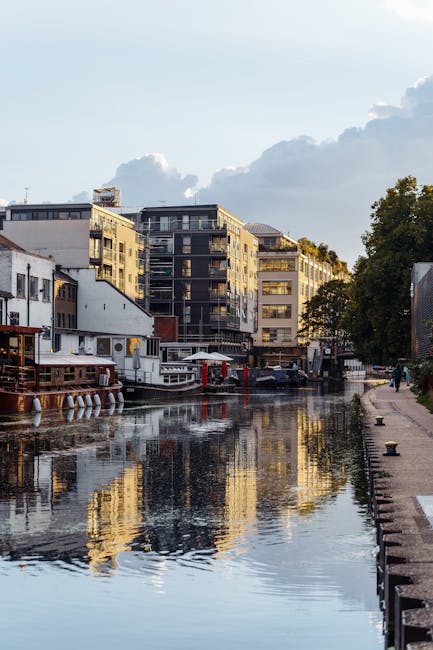
Hanwell is a district in the London Borough of Ealing in west London, long shaped by its position on older routes between the capital and the west. The Grand Union Canal passes through the area, adding a distinctive waterways landscape alongside residential streets, local green spaces and transport corridors. Hanwell also has a strong place in London history through its association with the early railway age and the westward spread of suburban development in the nineteenth century. The area’s built character mixes older housing, interwar streets and later infill, so the streetscape varies from one part of Hanwell to another rather than following a single architectural pattern. St Mary’s Church is one of the well-known landmarks, while nearby open spaces such as Bunny Park and Brent Lodge Park give the district pockets of greenery within a largely urban setting. The Hanwell Clock Tower is another recognisable feature, standing as a local focal point and a reminder of civic identity within the wider borough. Hanwell’s position close to the River Brent and the canal network has also helped define routes, bridges and green edges that break up the urban grain. Together these features give the district a character that is both suburban and historically layered, with transport history, waterways and public open space all contributing to how the place is understood today.
Hedge finishes for front gardens, rear plots and boundaries
Different parts of a property often call for different hedge finishes. A front garden hedge may need a crisp, tidy profile that frames the entrance, while a rear boundary hedge may prioritise privacy and a consistent screen. In more open gardens, the cut can be used to reduce visual bulk without leaving the hedge looking stark. The exact finish depends on species, position and the role the hedge plays in the layout.
Where the hedge runs close to footpaths, driveways or shared boundaries, trimming may need extra care around overhangs and clearances. In those situations, the purpose is not only appearance but also keeping the space easy to move through and reducing encroachment. If a hedge has grown wider than intended, careful selective cutting can bring it back into line without creating an obvious hard edge that looks overdone.
For gardens with mixed planting, it is often sensible to think about hedge trimming as one element of the wider seasonal routine rather than a one-off reaction to growth. That mindset helps the hedge stay consistent and lowers the chance of repeated correction work later on.
Managing clippings, timing and access
When hedge work is arranged, three practical questions tend to shape the job: how the clippings will be handled, when the work is best carried out and how the hedge can be reached safely. Some customers prefer the cuttings removed, while others want them left neatly in a designated spot. Either way, the volume of material depends on the hedge’s size and density, so it is useful to treat disposal as part of the scope from the outset.
Timing matters too, because hedges change quickly through the growing season and may need a lighter or stronger cut depending on their condition. Access around the hedge can influence the tools and approach used, especially if there are narrow side passages, obstacles or other plants to protect. A sensible plan keeps the work efficient without treating every hedge as if it were identical.
If the hedge is linked to a larger garden refresh, garden clearance can help with heavier cut material and general outdoor tidying, while recycling and sustainability may be relevant where you want a clearer view of how green waste and other materials are handled.
Requesting the right level of hedge care

The right hedge service depends on what you want the boundary to do. Some hedges are mainly decorative and need a neat outline; others are functional screens that have to keep their density; others still sit somewhere in between. That is why it helps to say whether you want a light tidy, a controlled cut back or a more substantial reduction. A good brief makes it easier to match the work to the hedge’s condition and the result you want.
If you are unsure how much trimming is appropriate, it is sensible to describe the current shape and any concerns you have about size, thickness or uneven growth. We can then focus the discussion on the likely work involved rather than offering a generic answer. For many customers, the practical goal is simply to keep the hedge manageable, healthy and visually consistent through the season.
For next steps, you can browse the contact us page, then request a quotation when you are ready to share the details of the hedge and the finish you would like.