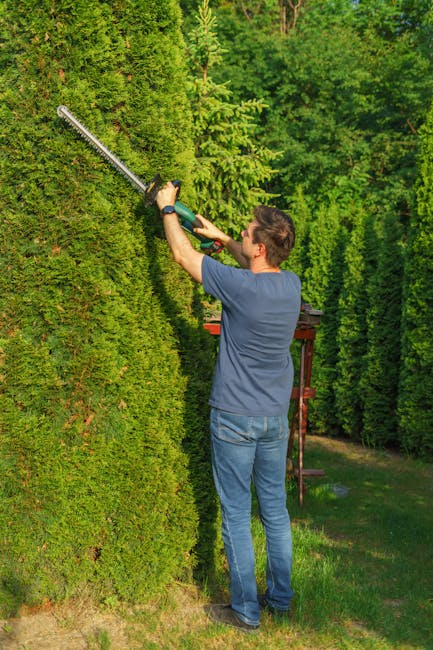
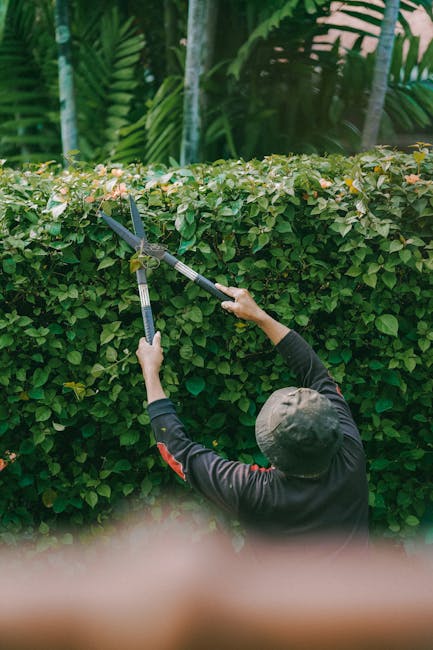
Emergency hedge trimming gardeners Hanwell urgent callouts
If a hedge has suddenly become a problem, you usually know it straight away. Maybe it is leaning into a path, brushing a driveway, blocking light after a windy night, or just looking a bit too wild for comfort. In those moments, Emergency hedge trimming gardeners Hanwell urgent callouts are less about perfection and more about quick, sensible action. You want the hazard reduced, the garden made usable again, and the job handled without adding more stress to an already annoying day.
This guide explains what urgent hedge trimming involves, when it makes sense to call for immediate help, how a fast response typically works, and what to expect from a professional gardener in Hanwell. It also covers practical checks, common mistakes, and the details people often forget in the rush. Let's face it, a hedge rarely chooses a convenient time to go wrong.
Table of Contents
- Why Emergency hedge trimming gardeners Hanwell urgent callouts matters
- How Emergency hedge trimming gardeners Hanwell urgent callouts works
- Key benefits and practical advantages
- Who this is for and when it makes sense
- Step-by-step guidance
- Expert tips for better results
- Common mistakes to avoid
- Tools, resources and recommendations
- Law, compliance, standards, or best practice
- Options, methods, or comparison table
- Case study or real-world example
- Practical checklist
- Conclusion
- Frequently Asked Questions
Why Emergency hedge trimming gardeners Hanwell urgent callouts Matters
Urgent hedge work matters because overgrown or damaged hedges can create immediate practical problems. A hedge that is spilling across a footpath can block access, damage visibility near driveways, and make a property look neglected overnight. After strong winds, heavy rain, or a sudden growth spurt in the warmer months, hedges can move from "fine for next week" to "needs sorting today" very quickly.
For homeowners, landlords, letting agents, and small businesses, the issue is often not vanity. It is access, safety, and first impressions. A hedge dropping into a shared route can frustrate neighbours. A boundary hedge that obscures sight lines can become a nuisance. And a front garden that looks untidy after storm damage can make the whole place feel harder to manage than it really is.
There is also the simple fact that emergency work prevents a small problem from becoming a bigger one. A split branch, crushed stem, or hedge row bent under its own weight can worsen if left alone. In our experience, the people who call early tend to need less work overall. The people who wait? They usually end up with more debris, more awkward cutting, and more repair afterwards. Not always, but often enough.
If the hedge problem is part of a wider garden mess, it can help to look at broader support such as garden maintenance or garden clearance as part of the bigger picture. Sometimes the hedge is only the visible bit.
How Emergency hedge trimming gardeners Hanwell urgent callouts Works
An urgent callout usually starts with a quick assessment. You explain what has happened, where the hedge is, what the immediate concern is, and whether access is blocked or safety is involved. A good gardener will want to understand the hedge type, approximate height, how much needs removing, and whether there is anything fragile nearby like fencing, lights, planters, or parked cars.
From there, the response is usually straightforward. The gardener decides what can be safely trimmed or reduced on the first visit, what needs careful shaping rather than heavy cutting, and whether additional equipment is required. For example, a tall conifer hedge, a mixed boundary hedge, and a compact formal box hedge all need a different approach. Same problem label. Very different job.
In a real urgent callout, the aim is often to make the area safe and tidy enough to use again rather than to complete a full ornamental reshape. That might mean reducing protruding growth, removing broken material, clearing waste, and leaving the hedge in a controlled state for a later finish. A proper specialist should say this plainly. If they promise a miracle in one rushed visit, well, that is worth a second thought.
If the issue overlaps with trees or heavy branches, the job may sit closer to tree lopping and removal than standard hedge trimming. That distinction matters because hedge work and tree work are not the same thing, especially where larger limbs or height access are involved.
Key Benefits and Practical Advantages
The main benefit is obvious: speed. But there is more to it than getting someone out quickly. A skilled emergency gardener brings judgement, safe working habits, and the right pace for the job. That combination matters when time is tight.
- Reduced safety risk: Overhanging growth, broken stems, or unstable branches can be dealt with before they cause injury or damage.
- Restored access: Paths, gates, driveways, and shared routes can be cleared so people can move around properly again.
- Better kerb appeal: A quick professional cut can transform the look of a front garden in one visit.
- Less neighbour friction: Overgrowth spilling across a boundary can be sorted before a small irritation becomes a complaint.
- Cleaner long-term result: Prompt trimming often protects the hedge shape better than leaving it to become heavily tangled.
There is also a practical money angle, even if nobody loves talking about it. Emergency work can sometimes prevent further damage to fencing, paving, or planting beds. A hedge rubbing constantly against a fence in the wind, for instance, can eventually wear the fence down. Not dramatic. Just annoying and expensive in a very British way.
For properties with wider outdoor upkeep needs, it can make sense to review landscape gardening or landscaping support too, especially if the hedge has been left to compete with the rest of the space.
Who This Is For and When It Makes Sense
This service suits anyone who needs a hedge addressed quickly rather than at some vague later point. That includes homeowners dealing with storm damage, landlords preparing for inspections, and tenants who need access restored before a move or repair visit. It is also useful for businesses with front-facing premises where a tidy boundary actually matters to customers.
It makes sense when:
- the hedge is blocking access to a gate, path, or driveway;
- branches or stems are partially broken;
- growth is interfering with visibility near a road or turning area;
- wind, rain, or weight has pushed the hedge out of shape;
- neighbours have raised a concern and you want it handled quickly;
- you need the garden back to a presentable state before a viewing, visit, or event.
It may not make sense if the hedge only needs routine seasonal trimming and there is no urgency at all. In that case, a planned appointment is usually better value and gives the gardener more time to shape the hedge carefully. A rushed callout should be used for urgency, not for convenience dressed up as an emergency. That is a subtle but useful difference.
Expert summary: If the hedge is creating a safety issue, blocking access, or visibly failing after stormy weather, an urgent callout is often the right move. If it is simply overdue, a standard visit is usually the calmer and cheaper choice.
Step-by-Step Guidance
If you think you need an urgent hedge trimming visit, this is the most sensible way to approach it.
- Check the immediate issue. Look for broken stems, loose branches, blocked access, or anything hanging into a walkway or driveway.
- Take a few photos. A couple of clear images help the gardener understand the scale before arrival.
- Note the hedge location and access. Mention side gates, narrow paths, shared entrances, or anything that might slow entry.
- Identify nearby risks. Tell them about overhead cables, ponds, fragile fencing, or parked vehicles.
- Explain the desired outcome. Do you need a safe temporary cut, a neat finish, or both?
- Ask what is included. Confirm cutting, waste removal, and whether the hedge will be left tidy after the job.
- Prepare the area. Move pots, bikes, tools, and ornaments out of the way if you can.
- Stay available for questions. Emergencies often need quick decisions on site.
A useful habit is to think in two layers: what needs doing right now, and what can wait for a more detailed follow-up. That approach keeps the emergency job focused. Otherwise, a quick trim turns into a half-day reshuffle of the whole garden. Happens all the time.
If you want a clearer sense of the wider service picture before booking, the services overview is a sensible place to understand how hedge work fits alongside other garden support.
Expert Tips for Better Results
Good emergency hedge work is not just about cutting faster. It is about cutting intelligently.
- Trim less than you think: In an urgent job, overcutting can leave bare patches and make the hedge look worse than the original problem.
- Watch the weather: Wet hedges are heavier and often messier to cut. Dry, settled conditions are easier to work with if you have a choice.
- Keep the line simple: If the hedge has gone wild, aim for a clean, safe shape first. Fancy shaping can come later.
- Prioritise hazards: Any broken or rubbing growth should be dealt with before cosmetic work.
- Think about regrowth: Some species respond well to hard cutting; others do not. A decent gardener should know the difference without making a song and dance about it.
One practical tip many people miss: check whether the hedge is hiding damaged fencing or debris. Once the visible growth is removed, you sometimes discover a second issue. Not ideal, but better to know immediately than three weeks later when the wind gets lively again.
Also, if the whole garden is overrun and the hedge is only one part of it, combining the job with lawn mowing or broader garden maintenance can save time and reduce repeat disruption.
Common Mistakes to Avoid
When people are in a hurry, they often make the same few mistakes. These are easy to avoid, which is why they are so common.
- Waiting too long: A hedge that is slightly awkward today can become a access problem next week.
- Cutting too much at once: Heavy reductions can stress the plant and leave the garden looking harsh.
- Ignoring boundary issues: If the hedge crosses into a neighbour's space, clear communication helps more than guesswork.
- Forgetting waste removal: A quick trim can still create a surprising pile of cuttings.
- Hiring purely on speed: Urgency matters, but safe and insured work matters more.
- Skipping access checks: Tight paths, locked side gates, and low-light conditions can slow a job down if nobody mentions them first.
There is a slightly awkward truth here: some people call for "emergency" work when what they really need is regular maintenance. That is fine, we all let things slide now and then. But being honest about the problem helps get the right response. No drama. Just the right job, done properly.
Tools, Resources and Recommendations
For urgent hedge work, the best tools are the ones suited to the hedge type, height, and access conditions. A professional may use hedge trimmers, secateurs for finer detail, hand saws for thicker material, ladders or safe access equipment where appropriate, and protective gear to reduce the chance of injury.
From a practical point of view, the recommendations are simple:
- Use a provider that can explain the process clearly. If the explanation is vague, that is not reassuring.
- Ask about waste handling. Hedge cuttings add up fast, especially after a storm.
- Confirm whether the hedge is being shaped or simply made safe. That avoids disappointment later.
- Keep a record of the issue. Photos and a short note help if the hedge problem is linked to repeated damage or neighbour discussions.
- Choose a service that is comfortable with larger garden tidy-ups. A job may expand once access is improved.
For some properties, hedge trimming sits alongside external improvements such as decking services, especially where the garden is being restored after neglect or severe weather. Different job, same need for careful planning.
Law, Compliance, Standards, or Best Practice
Urgent hedge work should still follow normal UK best practice for safety, neighbour awareness, and responsible waste handling. The exact legal position can vary by property, boundary, hedge type, and location, so it is wise to be careful rather than assume. If a hedge sits near a road, a shared boundary, or a rented property, there may be additional practical considerations.
In general, a trustworthy gardener should work with attention to:
- safe access and working methods;
- clear communication before cutting;
- respect for boundaries and adjoining properties;
- appropriate disposal of green waste;
- insurance and sensible risk control.
It is also best practice to ask whether the business has clear policies around safety and claims handling. Pages like insurance and safety and health and safety policy help signal that these things are taken seriously rather than treated as an afterthought.
If a hedge issue is part of a wider service agreement or quotation, you may also want to review terms and conditions and payment and security so there are no surprises. Slightly dull, yes. Still worth it.
Options, Methods, or Comparison Table
Not every hedge problem needs the same solution. Here is a simple comparison to help you decide what kind of help you need.
| Approach | Best for | Typical outcome | Notes |
|---|---|---|---|
| Emergency hedge trimming callout | Blocked access, storm damage, safety concerns | Quick reduction, safer and tidier space | Best when action is needed fast |
| Routine hedge trimming | Regular shaping and seasonal control | Clean, even hedge with better long-term form | Usually better for non-urgent jobs |
| Garden clearance with trimming | Heavy overgrowth, debris, neglected plots | Space cleared and hedge brought under control | Useful when the whole garden needs attention |
| Tree work plus hedge reduction | Mixed growth, large branches, safety concerns | Safer boundary and better structure | May require a different skill set |
As a rule of thumb, if your first thought is "this needs sorting today," an emergency callout is likely appropriate. If your first thought is "it's just gone a bit fluffy," then a standard visit may be a better fit. Simple enough.
Case Study or Real-World Example
Imagine a front hedge after a blowy night in Hanwell. The top growth has been pushed forward, a few branches are hanging into the pavement, and the gate barely opens without snagging. Nothing dramatic enough to make headlines, but enough to be deeply irritating by breakfast. A homeowner wants the entrance safe again before visitors arrive that evening.
A fast response in that situation would usually involve a short site assessment, removal of the most awkward growth, clearing the path, and a tidy finish around the gate line. The gardener would probably avoid cutting the hedge back too hard on the roadside face, because overdoing it can leave the boundary looking patchy. Instead, the first job is safety and access. The neat finish comes with that, but it is not the only goal.
What often surprises people is how quickly the space feels better once the hedge is under control. The whole front of the property seems calmer. You hear the gate swing properly again. The path looks wider. Small stuff, really, but it changes the day.
Practical Checklist
Use this checklist before you book or when you are waiting for the gardener to arrive.
- Identify the immediate problem: blocked access, storm breakage, or overgrowth.
- Take clear photos of the hedge and the area around it.
- Check whether the hedge is near a driveway, footpath, road, or neighbour boundary.
- Move small objects, ornaments, and vehicles away from the work zone.
- Decide whether you need a temporary safety cut or a full tidy-up.
- Ask about waste removal and final cleanup.
- Confirm any access details: side gate, locked entrance, parking, or time restrictions.
- Make note of any tree branches or other structures involved.
- Review whether the job might need broader garden support afterwards.
- Keep the conversation clear and practical. Urgency works best when everybody knows what "urgent" actually means.
If the garden needs more than a hedge fix, it may be worth looking at service options or even a more complete tidy through garden clearance. Sometimes that is the cleaner long-term decision.
Conclusion
Emergency hedge trimming is really about restoring control. A hedge that has become unsafe, intrusive, or simply unmanageable can unsettle the whole property. A good urgent callout gives you quick relief, a cleaner boundary, and a clearer path forward, without turning the situation into a bigger project than it needs to be.
The best results come from a calm, practical approach: describe the problem clearly, prioritise safety, and choose a gardener who understands both the urgency and the plant itself. That balance is what separates a rushed cut from a genuinely useful response.
If you are dealing with an overgrown or damaged hedge in Hanwell, the smartest next step is to get the issue assessed quickly and handled properly. The garden will thank you for it, and frankly, so will everyone who has to walk past it.
Get a free quote today and see how much you can save.
Frequently Asked Questions
What counts as an emergency hedge trimming callout?
An emergency callout usually means the hedge is causing a safety issue, blocking access, or creating an immediate practical problem. That could be storm damage, a fallen stem, or growth that has suddenly started obstructing a path or driveway.
Can a hedge be trimmed in bad weather?
Sometimes, yes, but it depends on conditions. Light rain might be manageable, while strong winds or very wet ground can make the job unsafe or messy. A professional will usually judge whether it is sensible to proceed on the day.
How fast can an urgent gardener get to Hanwell?
Response times vary depending on workload, weather, and the size of the job. The best way to speed things up is to explain the issue clearly, include photos, and be honest about access.
Will emergency trimming damage my hedge?
Not if it is done carefully. The main risk comes from overcutting or using the wrong method for the hedge type. A sensible urgent job should focus on safety and control first, then shaping second.
Do I need hedge trimming or tree removal?
If the problem is mainly soft hedge growth, hedge trimming is the right service. If there are larger woody branches, unstable limbs, or higher-risk material involved, you may need something closer to tree work.
Should I remove the cuttings myself?
You can if the amount is small and access is easy. But after an emergency cut, there is often more green waste than people expect. Many customers prefer to have the waste handled as part of the visit.
Is emergency hedge trimming more expensive than a normal visit?
Usually it can be, because urgent scheduling and immediate attendance take more flexibility. The exact price depends on the hedge size, access, amount of waste, and how much cutting is needed. A clear quote is the best way to avoid guesswork.
What should I tell the gardener before they arrive?
Tell them what happened, where the hedge is, whether access is blocked, and whether there are any nearby risks such as fencing, cables, parked cars, or fragile plants. A few details now can save a lot of faff later.
Can urgent hedge trimming be combined with other garden work?
Yes, sometimes it makes sense to combine it with lawn mowing, garden maintenance, or even wider clearance. That said, if the hedge issue is genuinely urgent, it is usually best to deal with that first.
What if the hedge is on a shared boundary with a neighbour?
It is best to communicate clearly and avoid assumptions. Boundary situations can be sensitive, and a professional should work carefully with regard to access, ownership, and the agreed scope of work.
How do I know if the gardener is trustworthy?
Look for clear communication, sensible pricing, proper insurance, and a calm explanation of what will and will not be done in the emergency visit. If the answers are vague, that is usually a sign to pause and ask more questions.
Can a hedge be made safe without fully reshaping it?
Yes. In many urgent cases, the first objective is to remove the hazard and restore access. A full shape-up can be done later, once the immediate issue is under control.
For further reassurance about the business behind the service, you can also review about us, contact us, and the site's recycling and sustainability approach if waste handling matters to you. That kind of clarity helps when you need quick help and still want things done properly.